
A dynamic gathering that weaves together dance, history, and musical exploration to celebrate stories of Latin American migration.
Part of the I-House World Tour: Roots & Routes series, Raíces en Movimiento is a multidisciplinary performance that weaves together dance, storytelling, poetry, and historical reflection to honor the sacrifices and resilience of Latin American migration.
Through movement and voice, the performance explores themes of displacement, identity, and the search for belonging, while celebrating the ways culture continues to connect communities across borders and generations. Traditional and contemporary dances from across Latin America are paired with original narration and poetry, transforming migration stories into a shared rhythm of resilience, memory, and joy.
More than a performance, this gathering invites community members to pause, reflect, and celebrate the power of heritage and movement as pathways for healing, connection, and cultural memory. Following the performance, guests are invited to stay, connect, and continue the conversation in community.
Tickets HERE:
Presale (through 4/10/26)
- General Admission: $20
- I-House Members & Students: $15
- Children (under 18): $10
At the door (all attendees): $25
- All tickets +$5
Special thanks to the City of Davis Arts and Cultural Affairs Program and UC Davis Inclusive Excellence for their support of this program.
Meet the artists:
Karla Alarcon Avila
 Karla Avila is a Guatemalan-born dancer, choreographer, and educator based in the Bay Area. Her journey in dance began in childhood and has unfolded through a deep love of Mexican Folk Dance, hip hop, and the rhythms of Latin and African traditions. With over 30 years of experience, she has trained and performed in Mexican Folk, Salsa, Bachata, West African, Afro-Brazilian, Afro-Cuban, Afro-Peruvian, International Ballroom, and musical theater, appearing in theatrical productions across the region.
Karla began her teaching path in Berkeley, where she directed Colorful Faces of Berkeley, led the Mexican Folk Dance program at Willard Middle School, and directed the UC Berkeley Mexican Dance Troupe. She now shares her passion through Latin Fusion classes, creating spaces where culture and community come alive in motion. Her work is a vibrant tribute to Latin American heritage, harnessing the power of dance to create a living archive of culture, memory, and hope.
Olga Novoa Cipriani
 Olga Novoa Cipriani is a Peruvian artist, community leader, and MBA candidate at the UC Davis Graduate School of Management. Born in Lima to a Peruvian–Italian family, she grew up immersed in cultural traditions that shaped her identity. She began dancing at four at the Escuela Nacional Superior de Folklore José María Arguedas, where she discovered movement as a language of authenticity and healing. When her family migrated to Texas in 2000, Olga carried her heritage with her, sharing her culture through community performances. Through traditional Peruvian dances such as Marinera Norteña, Festejo, and Huaylas, along with ballroom, Brazilian Samba, and Salsa, she honors the influences shaping her identity. Her performances celebrate rhythms connecting Latin American cultures. With a background in organizational leadership and educational psychology, Olga advances equity, inclusion, and impact. For Olga, dance is a practice of wholeness, an intentional commitment to nurturing every dimension of herself.
Miguel Novoa
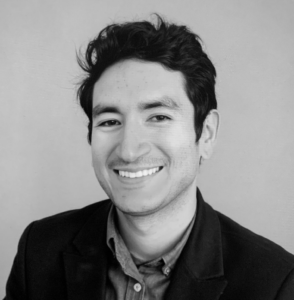
Miguel Novoa is a historian and economist who studies diaspora, freedom, and cultural identity across Latin America. He is completing his Ph.D. in Latin American Historyat the University of California, Davis, where he examines nineteenth-century Afro-Peruvian history. His dissertation, The Illusion of Emancipation: The Siervos Libertos and the Reinvention of Slavery in Republican Peru, 1821-1855, explores how newly freed communities navigated the boundaries of liberty and citizenship. At UC Davis, Miguel teaches courses on migration and culture, portraying history as a living dialogue between movement, memory, and creativity. He is the co-founder of the Melody Museum, an educational project that curates world music playlists to illuminate how songs carry memory and identity across borders. Miguel is also a percussionist specializing in the Afro-Peruvian cajón. He trained at the Escuela Nacional Superior de Folklore José María Arguedas under musician Eusebio Sirio ‘’Pititi’’. His artistic practice blends scholarship with cultural expression.